

Simone Weil factory work was the period when the philosopher left the classroom to labor in Paris factories and learn what industrial work does to a person. It became a turning point in her thought.
The episode followed her time as a lycée instructor, covered in simone weil teacher, and it belongs to the wider story told in simone weil in france.
Why a philosopher went to the factory
The Stanford Encyclopedia of Philosophy records that on 20 June 1934 Weil applied for a sabbatical from teaching. She was to spend a year working in Parisian factories as part of its most oppressed group, unskilled women laborers.
The same entry notes that her early work already privileged manual labor and demanded thinking that unites theory and practice. Encyclopedia.com adds that she had embraced the Marxist notion that revolution would restore the unity of intellectual and manual labor, which helps explain why she wanted firsthand experience rather than secondhand reports, according to its biography of her.
The Wikipedia biography also says Weil participated in the French general strike of 1933, called to protest against unemployment and wage cuts, according to that account. Taken with her union lecturing, this shows that her interest in workers predated the factory leave, and that the leave was a deliberate step beyond advocacy into direct experience of the work itself.
The year that was not a year
The Stanford Encyclopedia puts the “year of factory work” in context: it amounted, in actuality, to around 24 weeks of laboring, according to its account. The Wikipedia biography describes a 12-month leave of absence in which she worked incognito as a laborer in two factories, one owned by Alstom and one by Renault, and it presents her motive as a belief that the experience would let her connect with the working class, per that biography.
The two descriptions measure different things, the leave of absence and the weeks of labor.
- Planned year in Parisian factories among unskilled women laborers: a year
- Factory year was around 24 weeks of laboring: 24 weeks
- Factory experience: brutality in modern industry; time an intolerable burden: intolerable burden
- Humiliation produced fatigue and docility: docility
- Vocabulary moves from oppression to humiliation and affliction: affliction
What she saw on the shop floor
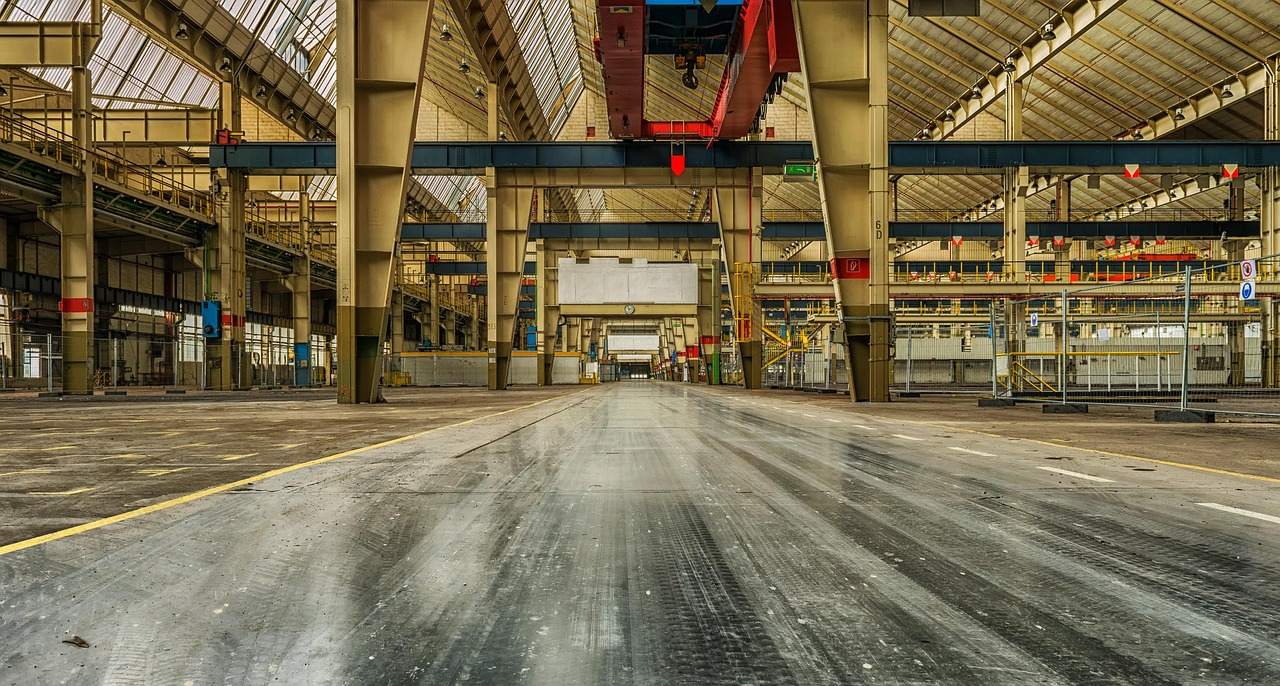
According to the Stanford Encyclopedia, in Paris’s factories Weil began to see and to comprehend firsthand the normalization of brutality in modern industry. It quotes her “Factory Journal”: “[t]ime was an intolerable burden.” The entry explains that modern factory work comprised orders from superiors and increased speeds of production, and that fatigue slowed both work and thinking, leaving her exhausted and dehumanized.
The same source says her experience was less one of physical suffering and more one of humiliation, and that she was surprised the humiliation produced not rebellion but rather fatigue and docility. She described the experience as a kind of “slavery”.
Encyclopedia.com adds that she noted female workers were victims of sexist attitudes, paid less than men, and served as objects of obscene remarks, as that entry relates. It also quotes her criticism of modern industry as a setting in which human labor has been debased to drudgery.
How the experience changed her vocabulary
The Stanford Encyclopedia argues that the factory journal keeps the language of liberty but moves terminologically from “oppression” to “humiliation” and “affliction”, so that her description of suffering became thicker and more personal. That reading is one scholar’s account of her development, and the entry itself warns that periods in her thought introduce a degree of artifice.
The word affliction, in French malheur, becomes a central term in her later work. The Wikipedia biography ties her definition of malheur to the repetitive, machine-like work she performed, while saying workers were reduced to a machine-like existence in which they could not consider rebellion, which is another secondary summary of the same idea.
A turning point in her religious thinking
The Stanford Encyclopedia says the factory year was important to her political philosophy and can also be seen as a turning point in her slow religious evolution. It reports that on a trip to Portugal in August 1935, watching a procession honoring the patron saint of fishing villagers, she had her first major contact with Christianity, as its summary reports.
The entry quotes her later recollection that the conviction was suddenly borne in upon her that Christianity is pre-eminently the religion of slaves. It presents this as part of her own account in a spiritual autobiography, and it does not claim that the factory work alone caused the change. How the factory experience, the Portugal visit and her later writing on religion fit together remains a matter of interpretation among scholars, and the entry frames the connection as part of her own account.
Aftermath: occupations, Spain and later work
The Stanford Encyclopedia says Weil participated in the 1936 Paris factory occupations and planned on returning to factory work, but her trajectory shifted with the advent of the Spanish Civil War, according to the entry. Her factory experience therefore did not end her interest in labor, even though it did end the factory work itself.
After war reached France, the Wikipedia biography says Weil left Paris with her family and fled to Marseille, where her wartime work and writing are described in simone weil in marseille.
Her factory period also sits between her teaching posts and her wartime life. The Stanford Encyclopedia divides her thought into early, middle and late periods, though it warns that such divisions introduce a degree of artifice. For readers following her life in order, the factory leave is the bridge between the school years and the philosophical writing that followed, as that entry frames it.
Reading the factory writings
The factory experience appears in her “Factory Journal” and in her essay on liberty and social oppression. Encyclopedia.com says she wrote that essay in 1934 and that it was published posthumously, with analyses of Marxism and political oppression, a theory of a free society, and a critical look at society and its failures, per the encyclopedia entry.
The Stanford Encyclopedia describes that 1934 essay as using a Marxian method of analysis that pays attention to the oppressed, critiques her own position as an intellectual and privileges manual labor, per its summary. It adds that the essay demands precise and unorthodox individual thinking that unites theory and practice against collective clichés, propaganda, obfuscation and hyper-specialization.
The journal and the essay are different kinds of text. The journal records the daily detail of factory labor, and the essay offers a general analysis, so reading them side by side shows how a concrete experience was turned into argument. Commentators differ on how far her social thought and her later religious writing explain each other, and a careful reader keeps that question open.
Frequently asked questions
How long did Simone Weil work in factories?
Show answer
The Stanford Encyclopedia of Philosophy says the “year of factory work” amounted in actuality to around 24 weeks of laboring.
Which companies owned the factories?
Show answer
According to the Wikipedia biography, one was owned by Alstom and one by Renault.
Why did she do it?
Show answer
Encyclopedia.com links the choice to her Marxist-influenced view of intellectual and manual labor, while the Stanford Encyclopedia describes a sabbatical to work among unskilled women laborers.
What did she conclude from the experience?
Show answer
The Stanford Encyclopedia reads the experience as a move from the vocabulary of oppression toward humiliation and affliction.